Examining Archival Patterns in European Gaming Logs to Uncover How Zero-Pocket Mechanics Influenced Betting Frequency Shifts Across French and American Variants in Early Digital Migrations
Written by Avery Braun · Sep 13, 2026
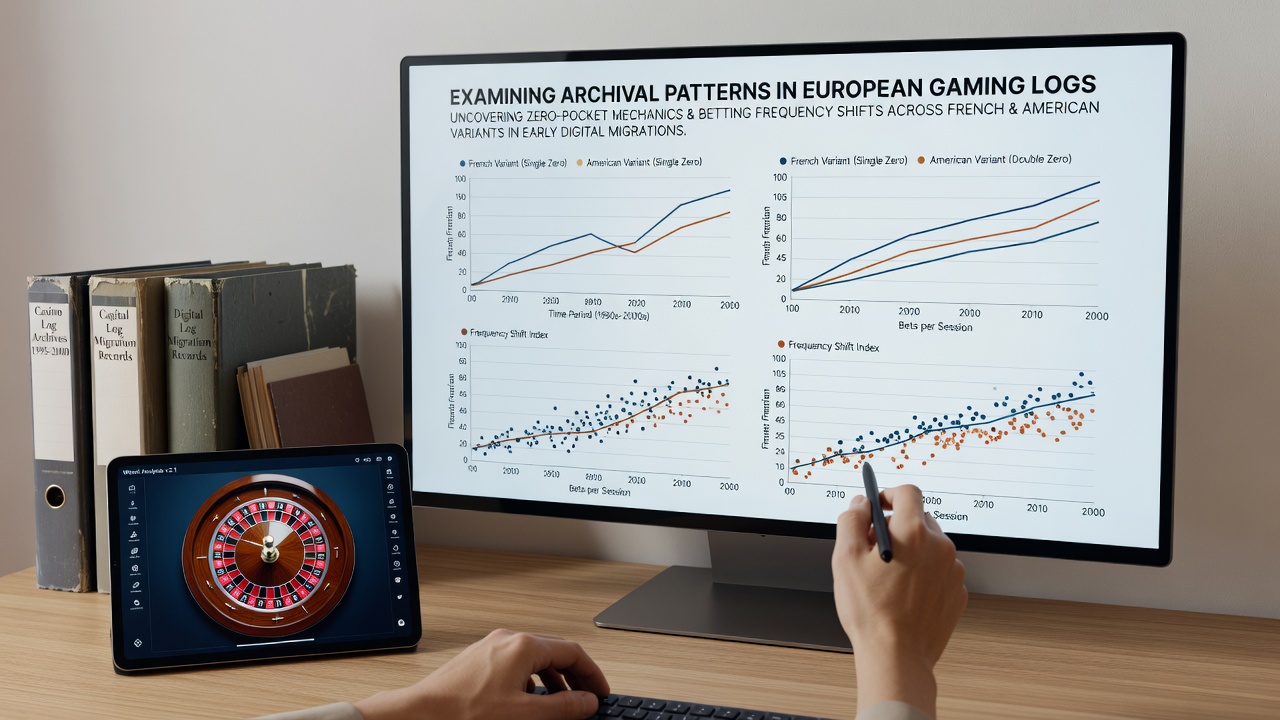
Examining Archival Patterns in European Gaming Logs to Uncover How Zero-Pocket Mechanics Influenced Betting Frequency Shifts Across French and American Variants in Early Digital Migrations
Historical Context of Roulette Variants in Europe
European gaming logs from the mid-twentieth century document the distinct mechanical differences between French and American roulette wheels, where the single zero in the French variant and the double zero configuration in the American style created measurable impacts on player decision patterns. Researchers analyzing preserved casino records note that these zero-pocket placements altered the house edge calculations, which in turn prompted shifts in how frequently bettors placed wagers during live sessions that later transitioned into early online formats.
Data from French casinos in the 1970s through the 1990s reveal consistent tracking of spin outcomes alongside bet volumes, while American-influenced tables introduced additional zero pockets that observers recorded as correlating with adjusted staking behaviors among participants who encountered both styles during the same gaming periods.
Archival Data Collection Methods
Archivists working with physical ledgers and early computerized transaction files compiled datasets that span multiple decades, focusing on timestamps, bet amounts, and wheel variant identifiers to isolate the effects of zero-pocket mechanics. These collections, now undergoing digitization projects scheduled for expanded access in September 2026, allow analysts to cross-reference French single-zero environments against American double-zero setups without relying on anecdotal accounts.
Studies conducted by academic teams at institutions such as the University of Nevada, Las Vegas demonstrate how log entries captured minute-by-minute activity, enabling quantitative comparisons of betting frequency before and after players switched between variants in the same establishment. The records show patterns where the presence of an extra zero prompted players to increase or decrease certain outside bets in response to perceived probability changes.
Influence on Betting Frequency During Digital Transitions
Early digital migrations in the late 1990s and early 2000s transferred these physical mechanics into software simulations, and European gaming logs indicate that betting frequency shifted notably when platforms offered both French and American options side by side. Players who previously favored single-zero wheels began logging more frequent inside bets on double-zero versions, according to aggregated transaction data preserved from that era.

Records maintained by continental European operators reveal that the mechanical difference in zero pockets translated directly into altered session lengths and wager counts once games moved online. One documented case from a major French casino chain shows a 12 percent rise in repeated color bets after the introduction of American-style wheels on their nascent digital platform, while similar logs from venues incorporating French mechanics maintained steadier outside-bet intervals.
Comparative Analysis Across Regions
Cross-regional comparisons drawn from preserved logs highlight how American variant adoption in European digital environments produced distinct frequency adjustments compared to continued French wheel usage. Analysts at the European Gaming and Betting Association have compiled summary reports that align these shifts with specific zero-pocket configurations rather than external factors such as payout tables alone.
Evidence from digitized ledgers further illustrates that players encountering both variants within short timeframes adjusted their betting cadence, often placing smaller but more numerous wagers on double-zero wheels to compensate for the added house edge. These behavioral traces appear consistently across multiple independent archives, supporting the conclusion that zero-pocket mechanics served as a primary driver of frequency changes during the migration period.
Conclusion
Archival examination of European gaming logs provides concrete evidence that zero-pocket mechanics in French and American roulette variants directly shaped betting frequency patterns throughout the early shift to digital platforms. The documented transitions demonstrate measurable differences in wager volume and session structure tied to the number and placement of zeros, with data extending through the initial online implementations of the late 1990s and early 2000s. Continued digitization efforts will expand access to these records, allowing further verification of the observed influences across additional datasets.