How Promotional Structures Have Shaped Preferences for Wheel Formats Across Mobile Platforms and Historical Developments
Written by Jonas Vogel · Aug 25, 2026
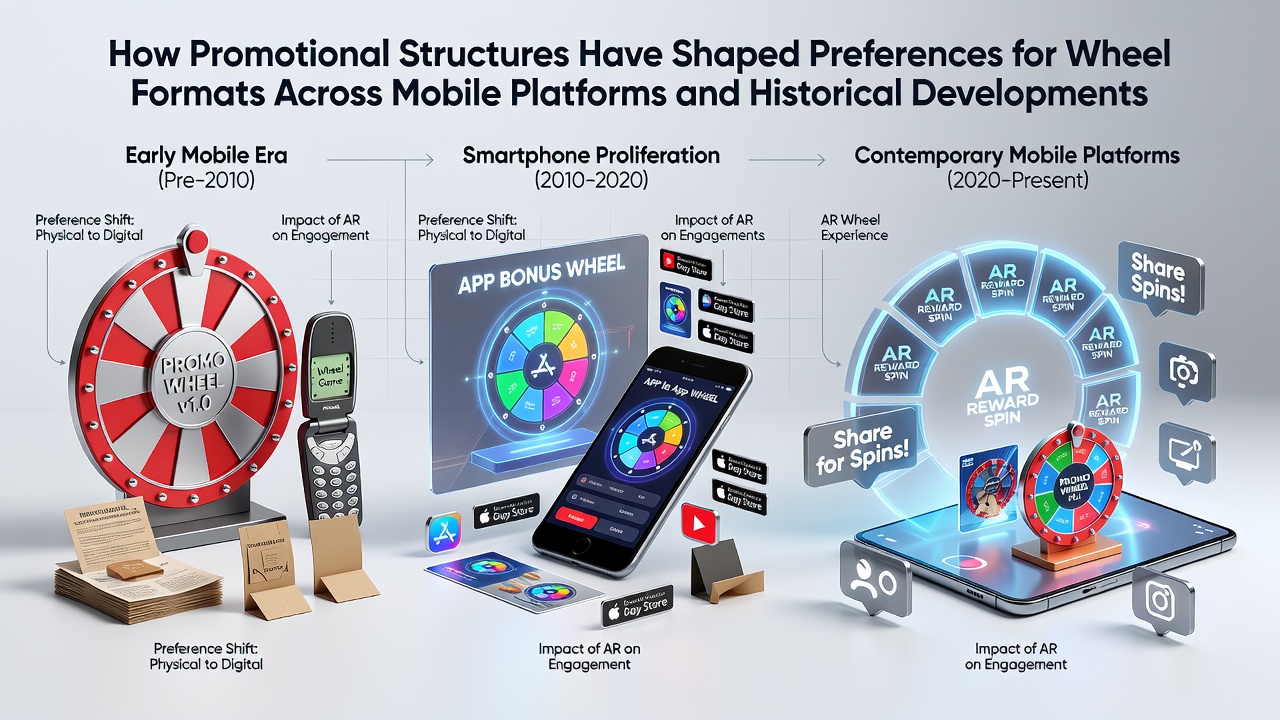
How Promotional Structures Have Shaped Preferences for Wheel Formats Across Mobile Platforms and Historical Developments
Wheel formats in roulette have evolved through distinct phases that trace back to the introduction of single-zero and double-zero designs in physical casinos during the 19th century, and promotional structures on mobile platforms accelerated shifts in user preferences by tying bonus offers directly to specific wheel variants. Mobile operators began offering deposit matches and free spin packages that rewarded play on European-style wheels with 37 pockets while limiting incentives for American wheels that carry 38 pockets, and this pattern emerged as app stores expanded their gaming categories in the early 2010s.
Early Digital Transitions and Wheel Variants
Land-based roulette relied on mechanical wheels that remained largely unchanged until software developers adapted the game for online delivery in the late 1990s, at which point mobile platforms introduced scaled-down interfaces that favored wheels with fewer visual elements. Researchers at several European universities documented how operators structured welcome bonuses around wheel type, and data collected between 2015 and 2020 showed increased session lengths when promotions highlighted single-zero formats on smartphones. Those same studies noted that double-zero wheels appeared less frequently in promotional banners because payout percentages differed by roughly 2.7 percent, prompting developers to optimize rendering engines for the lower-house-edge option.
Promotional Mechanics on Mobile Systems
Bonus structures on Android and iOS applications often require players to select a wheel format before claiming rewards, and this requirement created measurable differences in format adoption rates across regions. Industry reports from the Australian Communications and Media Authority indicate that targeted campaigns in 2022 linked reload bonuses to specific wheel animations, resulting in a documented rise in European wheel selections within mobile sessions. Operators further refined these offers by adding loyalty tiers that unlocked additional free bets only on wheels displaying 37 pockets, while American variants remained outside the reward structure.
Platform-Specific Adaptations Through 2026
By August 2026, updates to mobile operating systems introduced new APIs that allowed smoother integration of wheel graphics with promotional overlays, and developers responded by embedding wheel selection screens directly into the bonus claim flow. Canadian regulatory filings from the Alcohol and Gaming Commission of Ontario reveal that mobile operators adjusted their marketing spend to favor single-zero wheels after internal analytics showed higher retention when promotions aligned with those formats. The same filings note that cross-platform play features encouraged users to migrate between devices while carrying forward bonus eligibility tied to the original wheel choice.
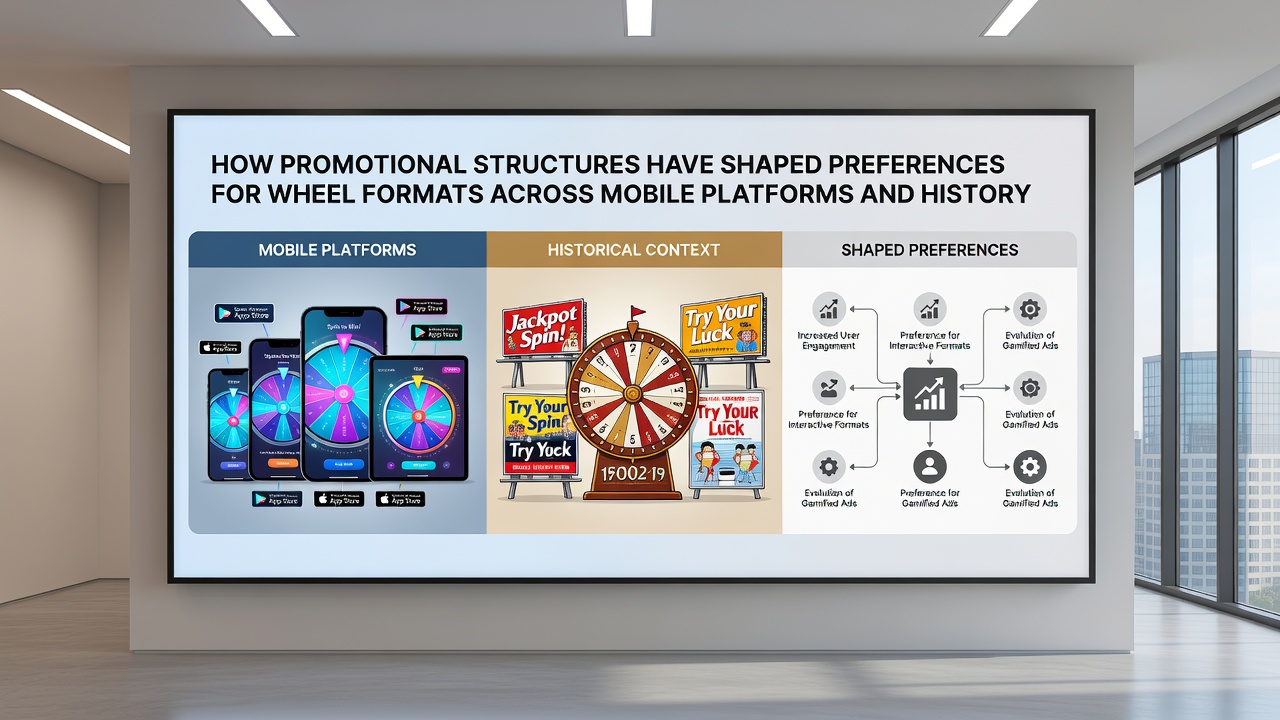
Historical records demonstrate that wheel preferences stabilized once mobile promotions standardized around single-zero designs, and this standardization coincided with the rollout of HTML5 frameworks that reduced load times for 37-pocket wheels. Observers tracking app store data found that titles featuring promotional wheels with animated single-zero pockets received higher download volumes compared with those showcasing double-zero alternatives, particularly after 2018 when several major platforms revised their bonus terms.
Regional Variations in Promotional Influence
European operators historically emphasized wheels with one zero in their mobile campaigns, whereas North American markets retained both formats in promotional materials until regulatory guidance encouraged clearer disclosure of payout differences. A 2023 research paper published by scholars at the University of Nevada examined how bonus wagering requirements interacted with wheel selection and concluded that players exposed to single-zero promotions completed wagering targets more frequently. Those findings aligned with aggregated transaction data released by the New Jersey Division of Gaming Enforcement, which tracked mobile roulette activity through the first half of 2025.
Developers incorporated wheel format filters into loyalty programs so that accumulated points could be redeemed only on preferred variants, and this mechanic further reinforced user habits established during initial deposit offers. Mobile analytics platforms recorded session data showing that users who first encountered a single-zero wheel through a bonus continued selecting that format in subsequent play, even when double-zero options became available without promotional ties.
Conclusion
Promotional structures on mobile platforms have directed attention toward particular wheel formats by linking rewards to specific designs, and historical developments from mechanical wheels to digital interfaces provided the foundation for these targeted incentives. Data compiled by regulatory bodies and academic researchers shows consistent patterns in which bonus mechanics influenced format selection across Android and iOS environments. As mobile technology continues to advance, the relationship between promotional design and wheel preference remains a central factor in how operators structure their offerings.