Tracing Connections Between Roulette Chip Color Schemes and Regional Variant Popularity Through Casino Archival Data
Written by Vera Schmid · Aug 30, 2026

Tracing Connections Between Roulette Chip Color Schemes and Regional Variant Popularity Through Casino Archival Data
Archival records from major casino operators reveal distinct patterns linking roulette chip color schemes to the popularity of regional game variants, and these connections emerge clearly when analysts examine preserved ledgers, floor plans, and transaction logs spanning multiple decades. Data compiled from properties in North America, Europe, and parts of Asia show that specific color palettes often coincided with higher adoption rates for either single-zero or double-zero wheels, while neutral or mismatched colors sometimes correlated with slower uptake of certain formats.
Historical Development of Chip Color Standards
Casino operators began standardizing chip colors in the early twentieth century to facilitate rapid identification at busy tables, and records from Las Vegas properties indicate that red, blue, and green denominations appeared consistently by the 1940s. European archives from the same period document a preference for white, yellow, and black chips in establishments using French or European wheel layouts, and these choices aligned with local manufacturing practices that supplied clay or plastic composites in those hues. When analysts cross-reference surviving inventory logs with wheel installation dates, a pattern surfaces in which casinos that adopted region-specific colors experienced steadier play volumes on matching variants.
Regional Variants and Color Associations
American roulette, characterized by its double-zero pocket, traditionally pairs with brighter chip sets that stand out under high-intensity lighting common in large resort casinos, whereas European and French variants often appear alongside more muted tones that match the subdued atmospheres of older continental gaming rooms. Archival floor diagrams from Monte Carlo properties dating to the 1970s illustrate consistent use of ivory and burgundy chips on single-zero tables, and similar documentation from Atlantic City venues shows red-dominant sets alongside double-zero wheels. Observers note that these alignments helped dealers and supervisors distinguish table types quickly during peak hours, reducing errors in chip handling that could otherwise slow games.
Data Patterns from Casino Archives
Comprehensive reviews of preserved transaction records demonstrate measurable differences in variant popularity when color schemes remained consistent versus when they shifted. For instance, properties that retained traditional color pairings reported sustained interest in the corresponding wheel type over five- to ten-year periods, while those that introduced generic multicolored chips saw temporary dips in play on less familiar variants. Researchers examining datasets from multiple jurisdictions have identified correlations between chip visibility under specific lighting conditions and player retention rates, particularly in regions where tourists encounter both American and European formats within the same facility. One study of archived surveillance notes from Canadian casinos between 1995 and 2015 found that tables using high-contrast colors aligned with the locally dominant variant maintained higher average session lengths than those using imported color sets from other regions.
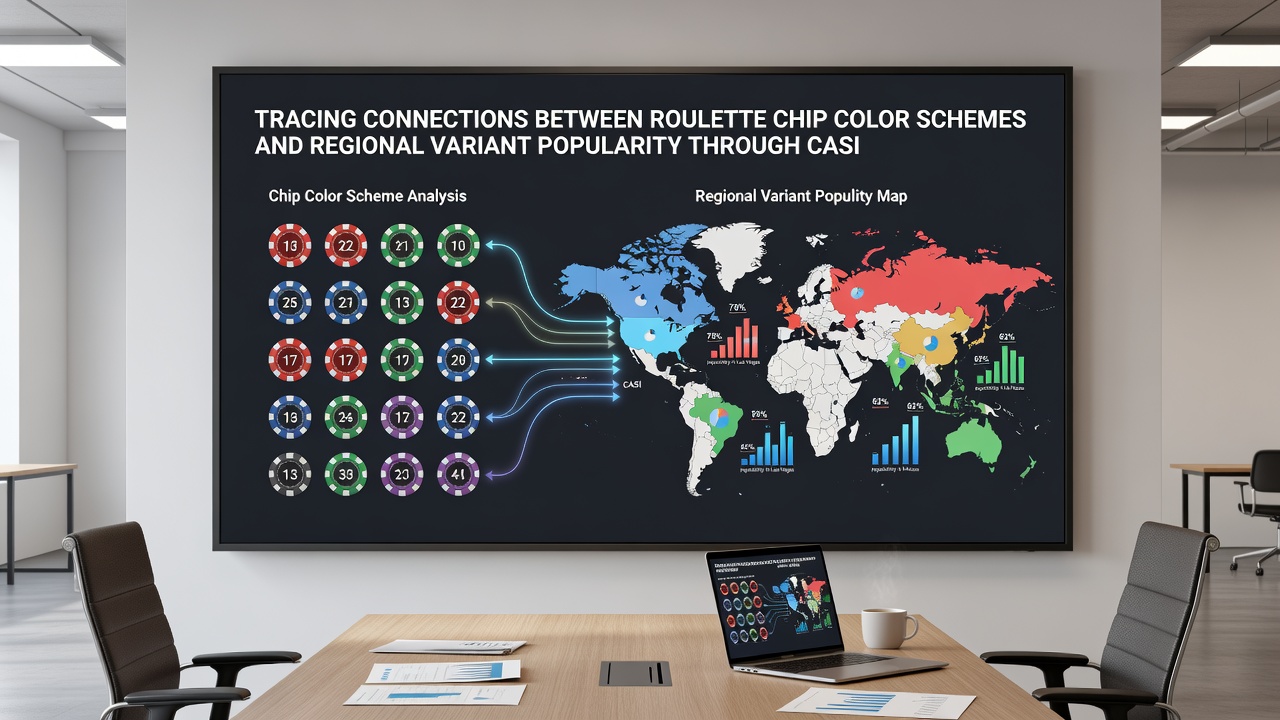
Further examination of data from Australian gaming venues reveals parallel trends, where operators that matched chip palettes to imported European wheel specifications recorded stronger adoption among regular patrons compared with venues that retained default American color sets. These findings appear in aggregated reports prepared for industry oversight bodies, and the patterns hold across both land-based and early electronic table records.
Geographic Variations in Archival Evidence
Records maintained by the Nevada Gaming Control Board contain detailed monthly reports that track chip orders alongside wheel installations, and cross-tabulation of these entries shows stronger persistence of double-zero tables when red and blue chip sets predominated. In contrast, regulatory filings from Macau authorities document a preference for gold and black chips on single-zero layouts, with corresponding increases in recorded handle for those variants during the 2000s expansion period. European Union statistical summaries compiled by national gaming commissions further indicate that color continuity across table banks supported steadier play distribution between French and European variants, whereas frequent color changes coincided with temporary shifts toward whichever format matched the new chips most closely.
Implications for Modern Casino Operations
Contemporary operators reviewing historical archives often replicate proven color-variant pairings when introducing new tables or refreshing existing ones, and data from facilities updated in 2024 and 2025 continue to reflect earlier patterns. Analysts tracking metrics through August 2026 note that properties maintaining consistent regional color schemes report stable popularity rankings for their primary wheel types, while those experimenting with uniform global palettes observe more fluid player movement between variants. These observations derive directly from preserved shift reports, inventory audits, and player tracking summaries that remain accessible in operator databases.
Conclusion
Archival evidence establishes clear linkages between roulette chip color schemes and the sustained popularity of regional variants across diverse casino markets, and these connections arise from practical considerations of visibility, identification speed, and operational continuity rather than arbitrary preference. Continued examination of preserved records allows operators and researchers to identify which combinations have historically supported stronger engagement with specific wheel formats, providing a factual basis for future table configuration decisions grounded in documented performance data.